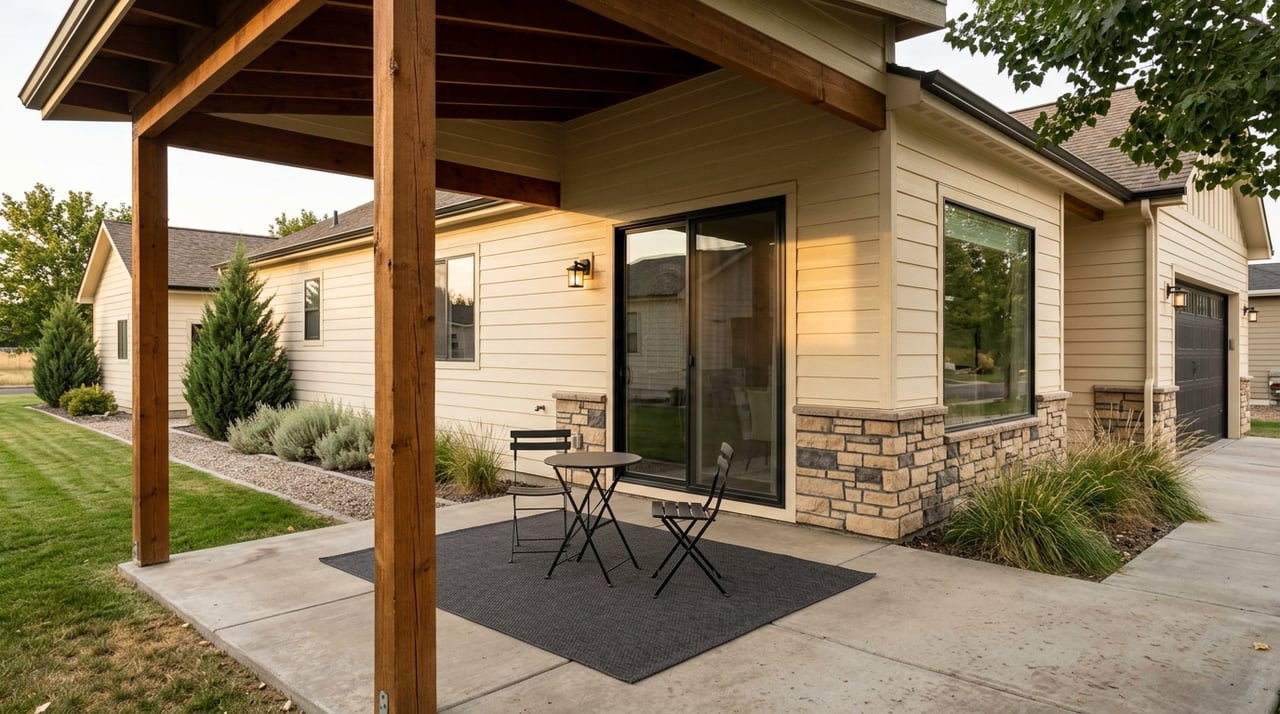
If you want more elbow room without feeling far from Cheyenne, The Ranchettes deserves a closer look. This area north of the city gives you a more open, rural setting while keeping everyday services, jobs, and shopping within reach. If you are weighing space, privacy, property use, and commute convenience, this guide will help you understand what western living in The Ranchettes can really look like. Let’s dive in.
Why The Ranchettes Stands Out
The Ranchettes is a census-designated place in Laramie County with 6,199 residents as of the 2020 Census. That was up from 5,798 in 2010, which reflects steady growth over the decade. It covers 48.96 square miles, with a much lower population density than Cheyenne, giving the area its more open feel. According to the U.S. Census Bureau, The Ranchettes sits roughly north of Cheyenne and remains close enough to the city to support an easy connection to daily needs.
That balance is a big part of the appeal. You can enjoy a setting that feels more rural and spread out, while still being near Cheyenne, which had 65,132 residents in the 2020 Census. For many buyers, that means you do not have to choose between breathing room and convenience. The Ranchettes often offers both.
What Western Living Means Here
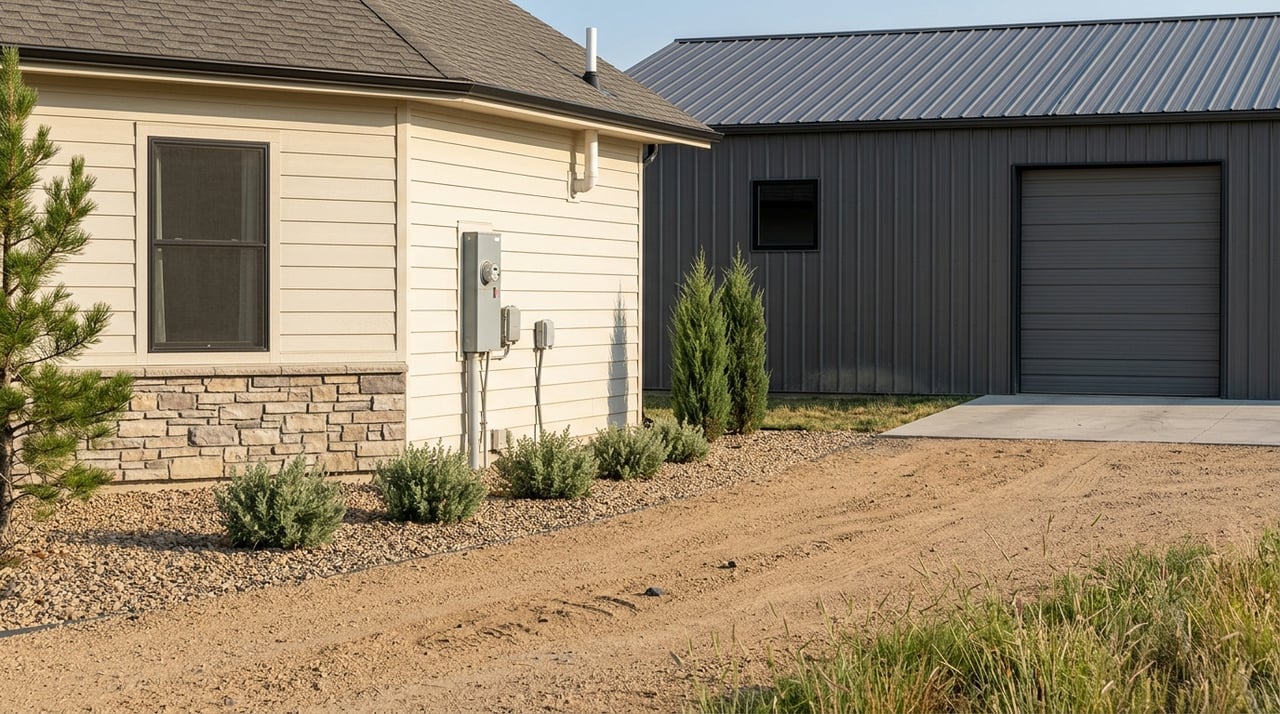
In The Ranchettes, western living is less about a theme and more about how your property functions day to day. You may find larger lots, room for outbuildings, and a setup that supports a more self-directed lifestyle. Compared with a typical in-town neighborhood, the pace can feel quieter and the homesites more flexible.
The area is also strongly owner-occupied. Census data shows 94.6% of housing units are owner-occupied, and the median owner-occupied home value is $560,900. That compares with a lower owner-occupied rate and lower median value in Cheyenne, reinforcing that The Ranchettes is a distinct market with more space and a different feel than the city core.
Acreage and Zoning Basics
If you are shopping in The Ranchettes, acreage and zoning matter as much as the home itself. Laramie County uses rural zoning categories that are based on acreage rather than traditional city lot sizes. Under county guidance, RR lots are generally 5.25 to 10.4 acres, while RRH lots are 10.5 acres and larger.
That is important because your parcel’s zoning can shape what you can do with the land. The county advises property owners and buyers to verify the zoning district through its Parcel Viewer and rural zoning guidance. If you are considering a property for more than just the house, this is one of the first details to confirm.
RRH Uses To Know
For many buyers drawn to The Ranchettes lifestyle, RRH zoning is especially relevant. County land-use rules state that RRH allows:
- Single-family residential use
- Accessory structures
- Agriculture and uses incidental to agriculture
- Home occupation
Those rules support the practical, more flexible lifestyle many people picture when they think about living north of Cheyenne.
Home Businesses and Livestock
One of the strongest lifestyle advantages in unincorporated Laramie County is flexibility. In August 2025, Laramie County announced that home occupations are a use by right in unincorporated areas, which means permits, site plans, and applications are no longer required for that use.
The county also said the updated rules do not restrict livestock ownership, FFA and 4-H participation, and agricultural activities. For buyers who want a property that supports hobbies, animals, or a work-from-home setup, that can be a major benefit. Of course, the exact parcel and zoning still matter, so property-level verification remains important.
Wells, Septic, and Rural Utilities
A big part of buying in a rural area is understanding utilities. Laramie County guidance explains that rural lots without central water or sewer may rely on individual septic systems and domestic wells. Septic review is handled by Laramie County Environmental Health, while well approval goes through the Wyoming State Engineer’s Office under the county’s land-use rules.
This is one of the key differences between buying in The Ranchettes and buying in town. If you are looking at vacant land, an older rural home, or a parcel with unusual history, utility feasibility can affect both value and future plans. Some existing rural lots may not meet current minimum sizes, but the county notes that they may still be buildable if septic and well standards can be met.
Commute and Everyday Convenience
Living in a more open setting does not mean giving up day-to-day practicality. Census data shows the mean travel time to work is 18.2 minutes in The Ranchettes. For many buyers, that supports the idea that you can have a more rural home base without an extreme commute.
Cheyenne remains the nearby service and employment anchor, and county resources show how residents stay connected to broader institutions and amenities. Laramie County’s community partner network includes connections to the library, health department, City of Cheyenne, Visit Cheyenne, and LCSD1. In real life, that means The Ranchettes can feel private without feeling isolated.
Schools and Address-Based Boundaries
If schools are part of your move, the best next step is to verify the assigned school by address. Laramie County School District 1 serves a large area in southeast Wyoming and includes rural elementary schools. Because attendance areas can depend on a specific property, the district’s Interactive SchoolSite Locator is the most reliable tool to use.
That address-first approach is especially helpful in a rural market where boundaries may not be obvious from a listing alone. If you are relocating, this can save time and help you make a more confident decision.
Rural Tradeoffs To Plan For
The Ranchettes lifestyle comes with real benefits, but it also comes with real responsibilities. More land often means more maintenance, more planning, and more attention to infrastructure. That can include fencing, driveway upkeep, snow removal, utility systems, and access for service vehicles.
Laramie County’s wildfire planning materials for rural communities also highlight practical preparedness steps. These include Firewise mitigation, reflective address signs, defensible space, no-outlet road turnarounds, firefighting water storage, and livestock evacuation planning. If you want the space and freedom that often comes with western living, it helps to go in with a clear plan.
Who The Ranchettes Fits Best
The Ranchettes can be a strong match if you want more land, a less dense setting, and flexibility in how you use your property. It may also appeal to buyers who want room for outbuildings, agricultural use, or a home-based business in unincorporated county areas. If you are moving from out of state, it can offer a practical introduction to Wyoming living without putting you too far from Cheyenne.
It may also work well if you already live in the area and want to trade a more in-town lot for additional space. The right fit often comes down to how you want to live day to day, not just how many bedrooms you need.
Buying Smart In The Ranchettes
Because each property can vary so much, rural home shopping here is about more than price and square footage. You will want to confirm zoning, utility setup, access, and parcel history early in the process. A property that looks similar on paper can offer a very different ownership experience depending on those details.
That is why local guidance matters. When you are comparing homes or land in The Ranchettes, it helps to have someone who understands Cheyenne-area property patterns, county processes, and the practical side of rural ownership. If you are thinking about buying or selling in this area, Diane Bendinskis can help you make sense of the details and move forward with confidence.
FAQs
What is The Ranchettes north of Cheyenne like?
- The Ranchettes offers a more open, rural setting with lower density than Cheyenne, while still staying close to city services, jobs, and daily conveniences.
What lot sizes are common in The Ranchettes area?
- Laramie County guidance says RR lots are generally 5.25 to 10.4 acres, and RRH lots are 10.5 acres and larger.
Can you have livestock in The Ranchettes?
- Laramie County says updated rules do not restrict livestock ownership, and RRH zoning allows agriculture and uses incidental to it.
Can you run a business from home in The Ranchettes?
- In unincorporated Laramie County, home occupations are a use by right, and the county says permits, site plans, and applications are no longer required.
Do homes in The Ranchettes need a well and septic system?
- Many rural lots without central water or sewer rely on individual septic and domestic well systems, with review and approval handled through the county and state.
How do you verify school assignment for a Ranchettes address?
- Use LCSD1’s Interactive SchoolSite Locator to confirm the school assignment for a specific property address.
Is The Ranchettes a good option for Cheyenne commuters?
- Census data shows a mean travel time to work of 18.2 minutes, which supports the area’s appeal for people who want rural living with access to Cheyenne.
What should buyers check before purchasing in The Ranchettes?
- Buyers should verify zoning, utility setup, parcel history, and whether septic and well standards can be met, especially on rural or nonconforming lots.