If you are selling a historic Downtown Cheyenne home, you are not just putting square footage on the market. You are presenting a property with architecture, context, and a place in the city’s story. That can feel exciting, but it also means you need a different approach than you would for a newer home. This guide walks you through what matters most, from prep and disclosures to pricing and marketing, so you can move forward with more confidence. Let’s dive in.
Why Downtown Cheyenne sells differently
Historic Downtown Cheyenne is a nationally recognized historic district that was first listed on the National Register of Historic Places in 1974. The district has also been updated over time, and the Union Pacific Depot remains one of its defining anchors. That historic framework shapes how buyers view homes in and around downtown.
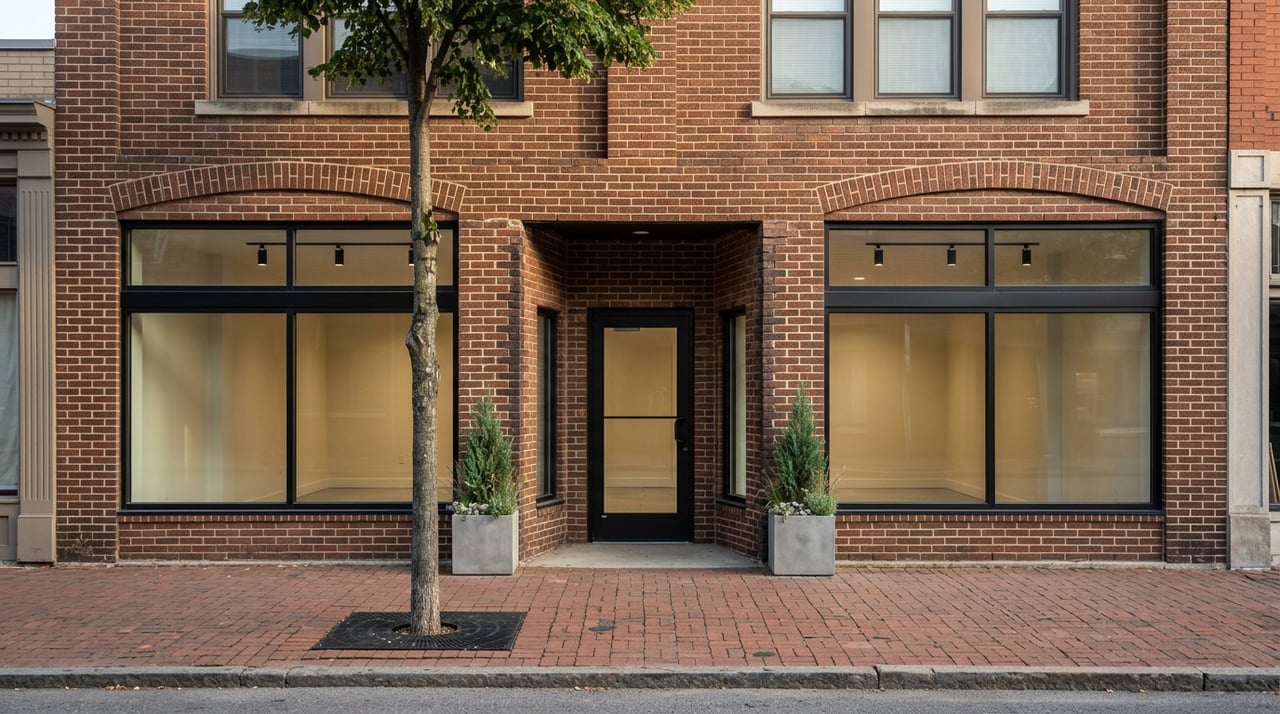
Cheyenne’s history helps explain the look and feel of the area today. The city was established in 1867 with the railroad, and many early wooden structures were lost to fires. As a result, much of the surviving downtown historic fabric leans toward brick, masonry, terra cotta, and later commercial-era architecture.
For you as a seller, that means your home may be judged on more than layout and finish choices. Buyers often want to understand the property’s character, how it fits into the district, and what has been preserved over time. A strong sale strategy should tell that story clearly.
What buyers notice first
Preservation-minded buyers often look for signs that a historic property still retains its form, materials, and overall integrity. In simple terms, they want a home that still feels historic rather than one that has been stripped of the features that made it distinctive. Visible originality and thoughtful upkeep tend to stand out.
That does not mean every change is a problem. Downtown Cheyenne includes buildings from different periods and styles, including later updates that may still carry historic meaning. The real question is whether the home still reads as a coherent historic property and whether changes were handled in a way that respects its character.
When buyers walk through or review photos online, they are often drawn to character-defining elements such as:
- Original trim
- Masonry details
- Windows
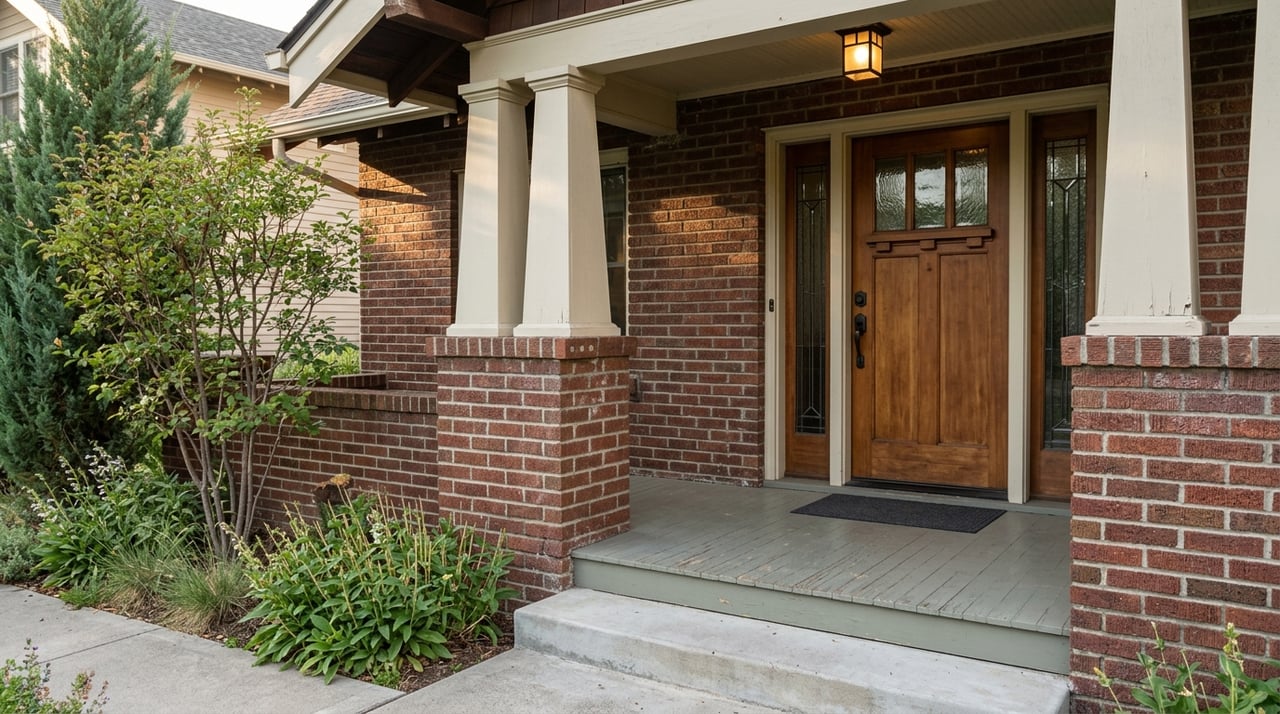
- Porches
- Staircases
- Built-ins
- Wood floors
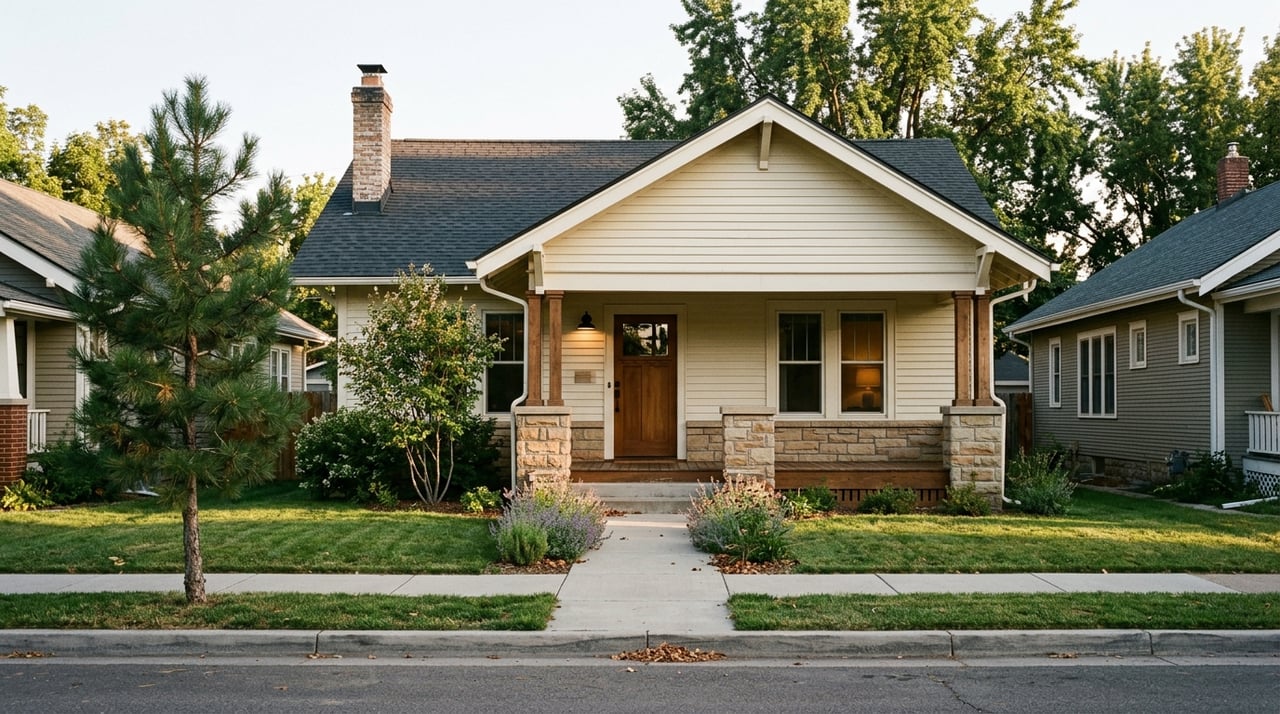
- A historically coherent façade
If your home has these features, they should be easy to see in photos, showings, and listing remarks. If updates have been made, it helps to explain them in plain language so buyers understand what was repaired, restored, or replaced.
Start with smart pre-listing prep
Older homes usually benefit from a little extra planning before they hit the market. That does not always mean a major renovation. In many cases, careful maintenance and clean documentation do more for buyer confidence than rushed upgrades.
One practical place to start is with condition items that affect first impressions. Peeling paint, worn surfaces, or deferred maintenance can raise questions quickly in a historic property. Even if the issues are manageable, buyers may assume larger problems if the home does not appear well cared for.
A preservation-sensitive prep plan often focuses on low-disruption improvements, such as:
- Caulking drafty gaps
- Adding or refreshing weather stripping
- Servicing mechanical systems
- Repairing small maintenance issues
- Cleaning and highlighting original features
These steps can improve comfort and presentation without removing historic character. They also help you avoid the common mistake of over-updating a home in ways that may not appeal to buyers who value authenticity.
Know your disclosure duties
If your home was built before 1978, lead-based paint rules may apply. Before a contract is signed for most housing built before 1978, sellers and agents must disclose known information about lead-based paint and lead-based paint hazards, provide available records and reports, give the required EPA and HUD pamphlet, and allow buyers a 10-day opportunity to conduct a lead inspection or risk assessment.
This is one reason it is smart to address obvious deteriorated paint before listing where appropriate. Deteriorated lead paint can mix with dust and soil, so peeling or disturbed painted surfaces are not just cosmetic concerns. Handling these details early can make the process smoother once buyers begin asking questions.
Beyond lead-based paint, it also helps to organize records that support your disclosures. If you have invoices, contractor notes, prior permits, or restoration receipts, gather them before your home goes live. Good documentation can reduce uncertainty and strengthen buyer trust.
Check historic district rules early
Before you do exterior work, verify whether your property is in a designated historic district or another special review area. The City of Cheyenne’s Planning and Development resources identify whether a parcel is in a Historic District, the Downtown Development Authority, or the Core Permit Fee Waiver Area. That matters because review requirements can affect what work is allowed or what approvals may be needed.
Cheyenne’s Historic Preservation Board requires approval for demolition or moving a contributing structure. The city’s preservation FAQs also note that the Governor’s Mansion Protective Area requires a Certificate of Appropriateness for new construction, significant alterations, or improvements. If your property falls under one of these areas, it is better to confirm the rules before starting a project.
This step can save you time, money, and frustration. It can also help you avoid making last-minute changes that do not support your sale or the home’s historic value.
Build a better pricing story
Pricing a historic downtown home is rarely as simple as pulling a few nearby sales. Condition matters, but originality matters too. A home with strong historic fabric and documented maintenance may deserve a different value conversation than a similar-sized property that has been heavily altered.
That is why your pricing strategy should account for the home’s age, integrity, updates, and buyer appeal within this niche. Not every buyer will place the same value on original details, but the right buyer often will. A well-supported pricing story helps you frame those details as assets rather than leaving buyers to guess.
Useful pricing support may include:
- Comparable sales with similar age and character
- Notes on preserved original features
- Records of maintenance and restoration work
- Context about exterior integrity and updates
- A realistic view of any work a buyer may still want to do
The goal is not to oversell the home. The goal is to present a fair, informed case for value.
Use history as a marketing advantage
Historic homes often connect with buyers on an emotional level, but emotion alone is not enough. Your marketing needs to show the home clearly and explain why it matters. In Downtown Cheyenne, that means blending property details with place-based context.
The city’s downtown planning materials emphasize economic vitality, public activity, and historic western charm. Those ideas are useful because they reflect how downtown is experienced today. A listing should help buyers see both the home itself and the broader setting it belongs to.
A strong marketing package often includes:
- Exterior photos that show the façade clearly
- Images of architectural details
- Photos that place the home in its block context
- Light staging that does not hide original elements
- Listing remarks that explain the home’s character and evolution
If your home has a known history, even a simple documentation packet can help. The city’s preservation office maintains district maps, nomination briefs, and research resources, and the Laramie County Library has city directories from about 1925 to the present. Old photos, prior permits, and restoration receipts can all help buyers better understand what makes your property special.
Be honest about updates
If your home has been renovated, clear communication matters. Buyers usually respond better when they understand what was restored, what was repaired, and what was fully replaced. Specifics create confidence.
If your home is more original, show buyers how those older materials function today. That might mean pointing out maintenance already completed, sharing service records, or explaining how original features have been preserved over time. Buyers do not need perfection, but they do want clarity.
In many cases, the best presentation is the most straightforward one. A historic home does not need to pretend to be new. It needs to show that it has been cared for and understood.
How local guidance can help
Selling a historic Downtown Cheyenne home takes local knowledge. You need to understand district context, likely buyer expectations, and how to present value without losing the home’s story. You also need practical support with pricing, staging, and documentation.
That is where working with someone who knows Cheyenne can make a real difference. A thoughtful local strategy can help you decide which repairs are worth doing, which details belong in the listing, and how to position your home for the right audience.
If you are getting ready to sell, Diane Bendinskis can help you build a smart plan with local insight, hands-on staging support, and a clear approach to pricing and presentation.
FAQs
What makes selling a historic Downtown Cheyenne home different?
- Historic homes in Downtown Cheyenne are often evaluated for character, integrity, original materials, and how they fit into the district story, not just size and finishes.
What features do buyers look for in a historic Cheyenne home?
- Buyers often notice original trim, masonry, windows, porches, staircases, built-ins, wood floors, and a façade that still reflects the home’s historic character.
What disclosures matter when selling an older Cheyenne home?
- For most homes built before 1978, you may need to disclose known lead-based paint information, provide any available records, share the required pamphlet, and allow a 10-day opportunity for a lead inspection or risk assessment.
Do exterior changes on a Downtown Cheyenne historic home require review?
- They can, depending on whether the property is in a designated historic district or special review area, so it is important to verify the property’s status with the City of Cheyenne before starting exterior work.
How should I price a historic home in Downtown Cheyenne?
- Pricing should reflect both condition and originality, including preserved features, documented maintenance, the level of updating, and comparable sales with similar age and character.
What documents should I gather before listing a historic Cheyenne property?
- Helpful items include old photos, prior permits, restoration receipts, contractor records, and any architectural or ownership history that helps explain the home’s story and upkeep.