Are you looking at Historic Downtown Cheyenne and wondering whether a multifamily or mixed-use property could be more than a charming facade? That is a smart question, because downtown investing here is not just about buying an older building. It is about understanding zoning, renovation reality, tenant demand, and how a specific property fits your goals. If you want a clearer picture of what to watch for before you buy, let’s dive in.
Why Downtown Cheyenne Stands Out
Historic Downtown Cheyenne has a distinct identity that shapes its investment appeal. The district was first listed on the National Register of Historic Places in 1974 and later expanded, with the Union Pacific Depot serving as a major historic anchor at 15th Street and Capitol Avenue. That railroad-era history helps explain why so many downtown buildings sit close to the street and offer the compact, walkable layout investors often seek.
The City of Cheyenne’s Downtown Development Authority focuses on preventing deterioration and blight while supporting redevelopment and long-term vitality. In practical terms, that means downtown is not being treated as an afterthought. It is a place where historic character, public investment, and redevelopment goals all come together.
Cheyenne is also a modest-sized market, which matters when you evaluate demand. The city’s July 1, 2025 population estimate is 66,507, and Laramie County’s July 1, 2024 estimate is 101,783. Recent Census figures for Cheyenne show a median household income of $78,839, median gross rent of $1,118, and median owner-occupied home value of $333,700, which helps frame the local affordability backdrop.
What Property Types You Will Find
If you are picturing a large suburban apartment complex, downtown Cheyenne may not look like that. The more common opportunities are smaller multifamily and mixed-use buildings, upper-story residential conversions, storefront-plus-apartment properties, live/work-style spaces, and infill or redevelopment projects. That difference matters because your financing, renovation budget, and operating plan may look very different from a conventional apartment investment.
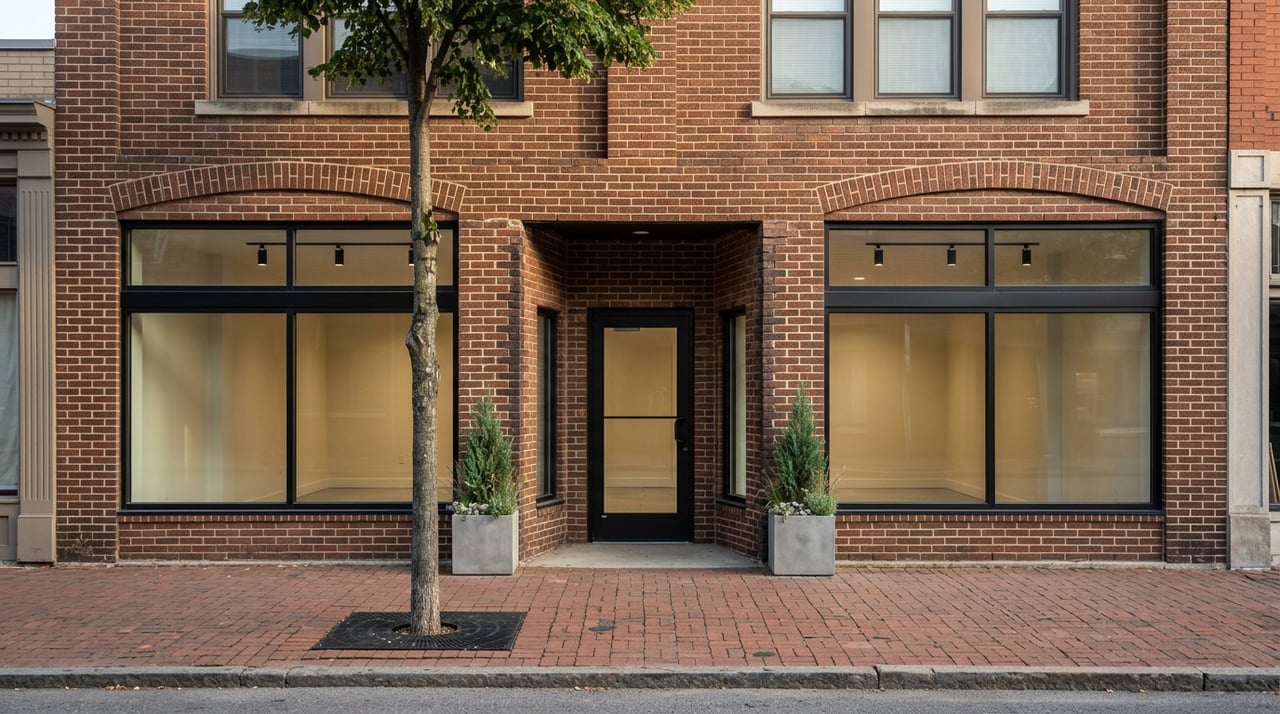
The city’s 2025 downtown market analysis describes the district’s building stock as ground-floor retail with upper-level office and residential space. It also notes limited market-rate housing, underutilized upper floors, vacant lots, and strong adaptive reuse potential. For buyers, that can create openings, but it also means each property needs careful review.
How Zoning Shapes Your Options
Zoning is one of the most important pieces of the puzzle in Historic Downtown Cheyenne. The city’s Unified Development Code gives the Central Business District, or CBD, broad mixed-use flexibility for retail, employment, service, civic, residential, and public uses. The CBD standards include 0-foot front, side, and rear setbacks with 100% maximum coverage, which supports the sidewalk-front buildings and vertical mixed-use pattern you see downtown.
Other nearby zoning districts also matter. The MUB district is intended for a diverse mix of residential, retail, service, employment, and civic uses in a compact, walkable setting. The MUR district is more residential-led, with moderate or higher densities and a range of housing types.
According to the adopted Downtown Development Authority plan, most of the downtown boundary is CBD, with MUB in the western portion and southern gateway and MUR in the northeastern corner. That means two buildings that look similar from the street may have different development options. Before you get attached to a property’s potential, confirm exactly what zoning applies.
Why Historic Buildings Need Extra Review
Historic character can be a major advantage, but it often comes with added complexity. The city notes that upper-floor office or residential space in historic buildings frequently needs significant renovation for code compliance. That can affect your budget, timeline, and even the type of financing that makes sense.
This is especially important if you are considering an upper-story residential conversion or a mixed-use renovation. A building may look solid at first glance, but needed improvements for systems, life safety, access, or layout can shift the numbers quickly. In downtown investing, the purchase price is only part of the story.
If a building may qualify as a certified historic structure, there may also be a federal rehabilitation credit to explore. The IRS says the historic preservation rehabilitation credit is generally 20% of qualified rehabilitation expenditures for a certified historic structure. That does not mean every project qualifies, so you will want to verify the building’s status, the scope of work, and how the credit fits with your financing and intended use.
What Drives Demand Downtown
A good downtown investment depends on more than a nice-looking building. You also need to understand who uses the area and when. The city’s downtown analysis identifies three main customer groups: local residents looking for services, dining, and entertainment; office employees in government and private sector jobs; and tourists and eventgoers drawn by festivals and seasonal programming.
The same analysis says downtown activity is strongest during weekday hours and during programmed events. That is especially useful if you are evaluating ground-floor retail, office, or a mixed-use building where commercial performance affects the whole property. A space with strong event visibility may still have a different weekday rhythm than you expect.
Downtown Cheyenne also benefits from public art and events that support foot traffic. The Downtown Development Authority highlights murals, more than 35 Big Boots, more than 70 bronze statues, monthly Cheyenne Artwalks, and Fridays on the Plaza concerts at Depot Plaza each Friday night from June through August. These features help reinforce downtown as an active place, not just a historic district on paper.
Civic anchors matter too. The city points to places like Depot Plaza, Civic Commons Park, and the Wyoming State Capitol, while also noting that limited market-rate housing does not fully meet demand for walkable living. That combination can support interest from renters, owner-occupants, and small investors looking for a property with both income and lifestyle appeal.
How To Underwrite Smartly
When you buy a downtown multifamily or mixed-use property, you are not just buying square footage. You are buying an income stream, future expenses, and a business plan. That is why underwriting needs to go deeper than list price or gross rent.
A practical review should include:
- Net operating income
- Operating and maintenance costs
- Vacancy and absorption assumptions
- Lease renewal trends
- Anticipated rents
- Time needed to reach stabilized occupancy
- Debt service coverage
- Property condition and replacement reserves
Cap rate is one common way to connect stabilized annual income to value. Debt service coverage ratio, or DSCR, is another key lens because it compares underwritten net cash flow to annual debt service. These metrics matter even more in downtown properties where vacancy, renovation timing, and deferred maintenance can change your returns.
For many buyers, the biggest mistake is underestimating repairs and reserves. An older mixed-use building can have charm, but charm does not replace a realistic budget. You want to model the numbers after vacancy, repairs, financing, and reserves, not before.
Local Incentives Worth Checking
Cheyenne offers local development incentive tools that may help some projects pencil out. According to the city, these include Tax Increment Financing, Brownfields Assessment, and an affordable-housing reimbursement program that lists up to $10,000 per multi-family project with a $200,000 reimbursement cap through June 30, 2030.
Not every property or project will qualify. For example, the city says TIF eligibility depends on the property being in an area declared blighted or slum and inside an active plan or project area. That is why it is important to confirm eligibility early instead of assuming incentives will be available.
Incentives can improve feasibility, but they should not rescue a weak deal. Think of them as a possible boost to a sound project, not the foundation of your investment strategy.
Due Diligence Before You Make An Offer
Downtown properties often require more front-end verification than a typical residential purchase. Before you move forward, confirm the parcel’s zoning, Downtown Development Authority boundary status, historic district status, parking and access realities, and any redevelopment review requirements through the City Planning and Development Department.
The city provides zoning verification tools and maps for zoning, special districts, and development projects. Since the department processes more than 1,500 development-related applications each year, it is clear that local review matters. Getting answers early can save you time, money, and frustration later.
It also helps to build your team early. For investors and owner-occupants alike, early coordination with a lender, attorney, CPA, and contractor can make it much easier to test feasibility before you commit.
Where A Local Agent Adds Real Value
Historic Downtown Cheyenne is one of those markets where local knowledge can make a meaningful difference. The Downtown Development Authority’s market analysis itself points to work with local brokers and the County Assessor to access property data, map land uses and vacancies, and identify underutilized sites for redevelopment and infill. That is a strong sign that boots-on-the-ground insight matters here.
The most useful guidance is often parcel-specific. You want to know what can be built, what is already legal, what may need planning or historic review, and how the numbers work once real costs are modeled. Two properties may both be called “mixed-use opportunities,” but one may be far more practical than the other.
If you are comparing options in downtown Cheyenne, it helps to work with someone who understands the city’s development pattern, local history, and investment side of the conversation. That can help you move past the surface appeal of a building and focus on whether it actually fits your goals.
Historic Downtown Cheyenne can offer real opportunity for investors and owner-occupants who want a property with character, flexibility, and long-term potential. The key is to stay disciplined about zoning, condition, demand, and due diligence. If you want a practical local perspective on downtown multifamily, mixed-use, or commercial opportunities in Cheyenne, connect with Diane Bendinskis.
FAQs
What types of investment properties are common in Historic Downtown Cheyenne?
- Common opportunities include storefront-plus-apartment buildings, upper-story residential conversions, live/work-style spaces, small multifamily properties, and infill or redevelopment projects.
What zoning should you check for downtown Cheyenne mixed-use property?
- You should confirm whether a property is in CBD, MUB, or MUR, because each district supports different mixes of residential and commercial use.
What makes historic downtown Cheyenne buildings riskier to renovate?
- Older buildings often need significant renovation for code compliance, especially upper-floor office or residential space in historic structures.
What demand drivers support downtown Cheyenne multifamily and mixed-use investments?
- The city identifies local residents, office employees, and tourists or eventgoers as major downtown user groups, with activity strongest during weekday hours and programmed events.
What local incentives may apply to a Cheyenne multifamily project?
- Depending on the project, city tools may include Tax Increment Financing, Brownfields Assessment, and an affordable-housing reimbursement program with stated caps and deadlines.
What due diligence should you complete before buying a downtown Cheyenne investment property?
- You should verify zoning, historic district status, DDA boundary status, parking and access conditions, redevelopment review requirements, and the property’s financial and physical condition.