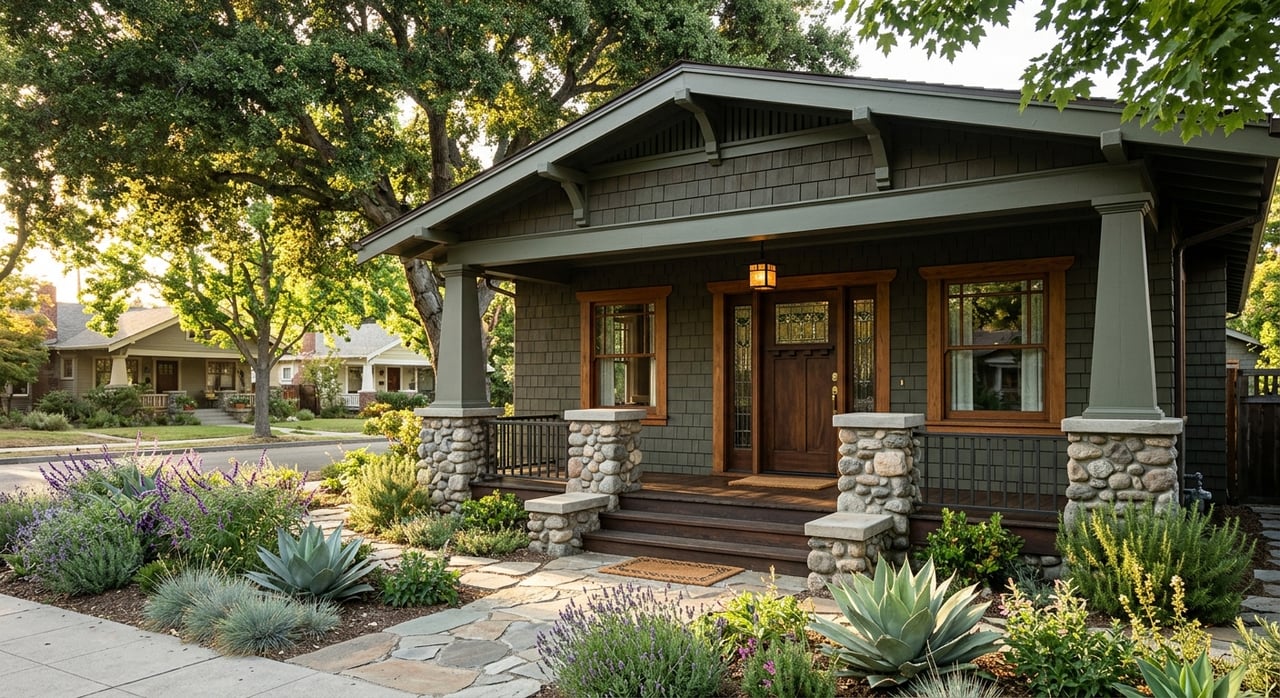
Looking for a historic home near downtown Cheyenne? You are not alone, and you are also not looking at just one type of property. This part of Cheyenne offers everything from larger early homes to cottages, bungalows, modest worker housing, and later brick ranches. If you want to understand what styles you may find, which updates matter most, and how value tends to hold up, this guide will help you sort through the details. Let’s dive in.
What “Historic Downtown” Means in Cheyenne
When people talk about historic downtown Cheyenne homes, they are usually talking about the residential historic districts around the downtown core, not just the commercial center itself. City planning materials identify downtown as the central business district, while nearby residential areas tell most of the housing story.
For buyers and sellers, the key districts include Capitol North, Rainsford, Lakeview, South Cheyenne, Moore Haven, the Dubois Block, the Expanded Downtown area, and the Governor’s Mansion Protective Area. Each one has a different feel, building pattern, and ownership experience.
Historic Home Types Near Downtown
Capitol North homes
Capitol North is primarily residential, and most of its construction was complete by the 1930s. The city notes that many homes there include carriage barns and large yards or gardens, which can make the area especially appealing if you want historic character with more outdoor space.
You may also see a mix of restoration levels here. Some properties have been carefully restored, while others have simply been maintained over time. That means two homes on the same block can offer very different update needs and price points.
Rainsford homes
Rainsford is also primarily residential, but its history is a little more mixed. Over time, some homes were converted to multi-family apartments, small businesses, or other commercial uses, which makes this district important for both traditional buyers and people thinking with an investment lens.
The city describes Rainsford as eclectic, with French, Italian, Greek, Gothic, Romanesque, and Classical forms represented in the district. If you want architectural variety, this is one of the strongest areas to explore.
Lakeview homes
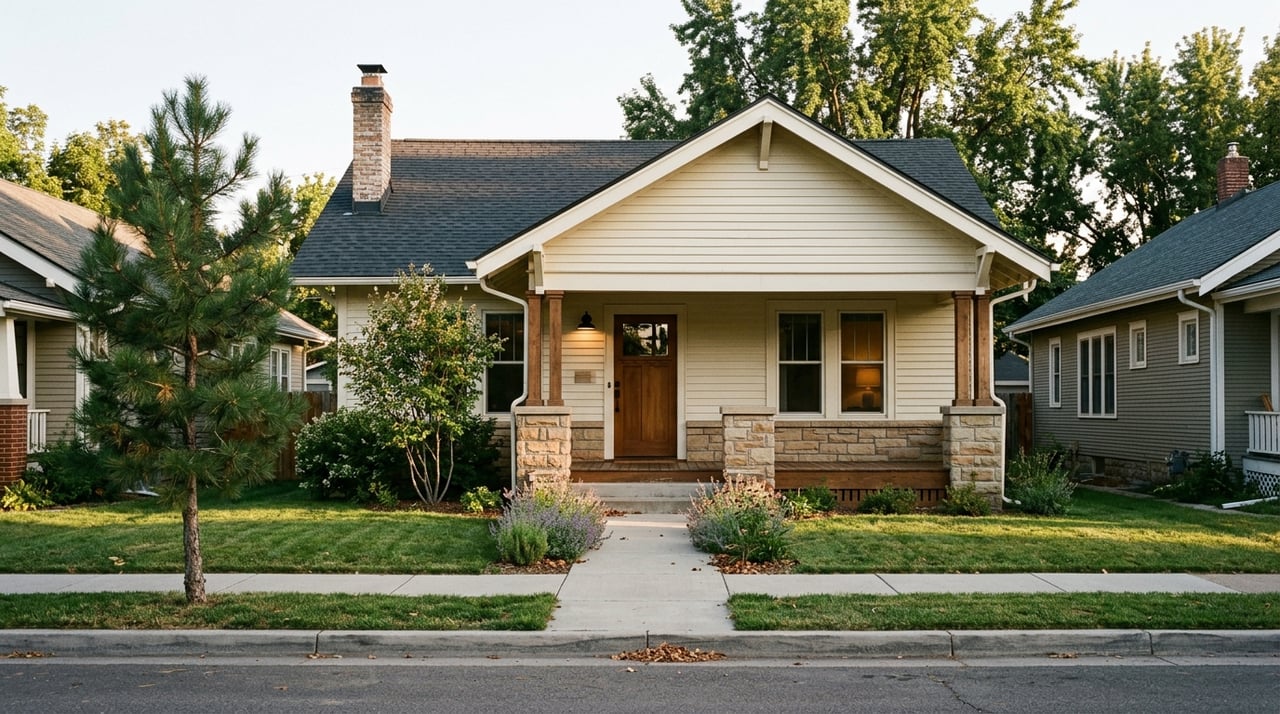
Lakeview reflects Cheyenne’s growth from about 1900 through the late 1930s. Homes here tend to be smaller than those in Rainsford, and many are cottages and bungalows.
Some buildings have also shifted to apartments or small businesses over time. For buyers, that can create a neighborhood with varied building sizes, uses, and renovation histories.
South Cheyenne homes
South Cheyenne developed from the 1880s to the 1940s as a working-class neighborhood. The housing stock includes modest one-story wood-frame dwellings, some brick apartments such as Lillian Terrace, and later infill connected to rail expansion and wartime growth.
This district matters because it shows how much variety exists within historic Cheyenne. You are not only looking at large landmark homes. You are also looking at practical, smaller historic properties that may offer a more approachable entry point.
Moore Haven homes
Moore Haven Heights represents one of the city’s later north-side expansions. The city describes it as mostly one-and-one-half-story brick masonry houses, primarily mid-century ranch style.
Many of these homes have a high level of original integrity because brick construction helped them hold up over time and many were altered very little. If you want historic context with a more mid-century look, this district stands out.
Common Styles You May See
The phrase historic downtown homes can sound like it means one narrow look, but Cheyenne’s residential districts show a much wider range. Survey materials document Folk Victorian, Bungalow/Craftsman, American Foursquare, Queen Anne, and manufactured vernacular forms, among others.
In practical terms, that means your search may include:
- Larger early homes in Capitol North and Rainsford
- Cottages and bungalows in Lakeview
- Modest worker housing in South Cheyenne
- Later brick ranches in Moore Haven
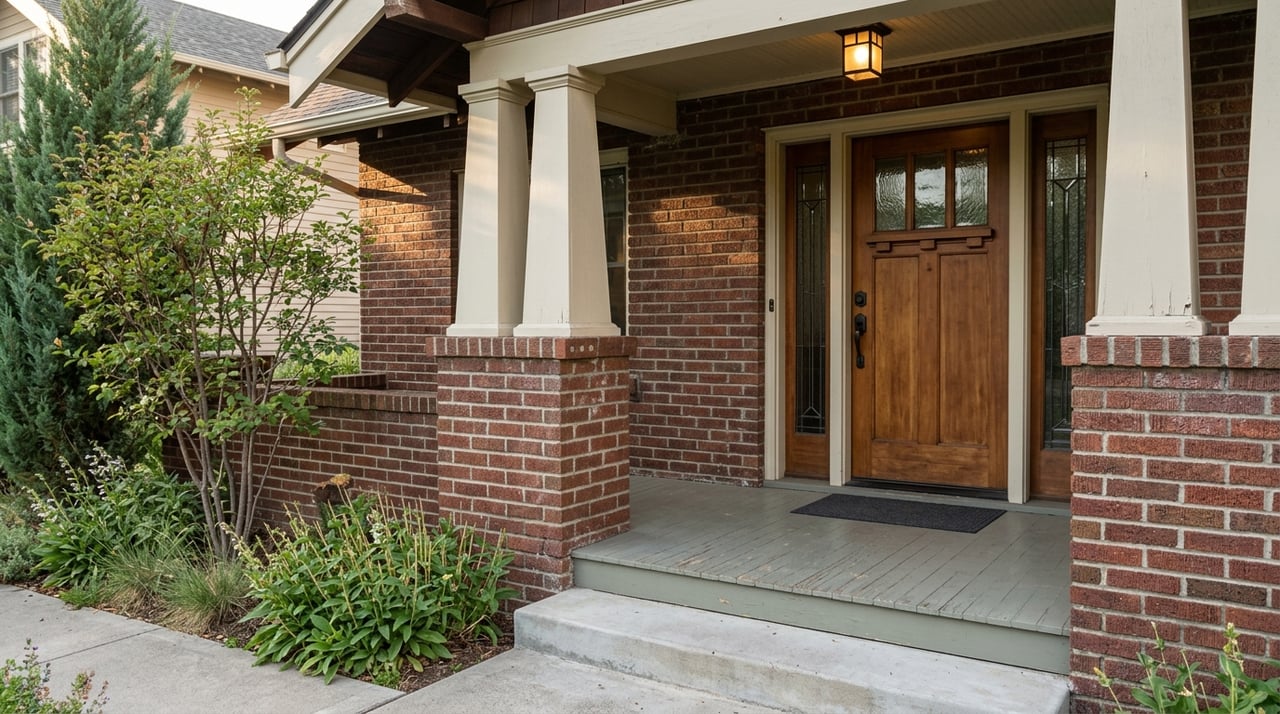
In South Cheyenne, survey materials describe Craftsman features such as low-pitched gable roofs, wide overhanging eaves, exposed rafters, decorative braces, multi-light upper sashes, and gabled porches. Those kinds of details often help buyers quickly spot original style character when touring homes.
The same survey work also documents Folk Victorian examples and an American Foursquare example in the district. That is a good reminder that even smaller historic areas can have a mixed architectural identity.
Which Updates Help or Hurt Character
Not every update affects a historic home the same way. In Cheyenne survey records, enclosed porches, vinyl or aluminum siding, replacement windows, and garage conversions are frequently noted because they can change how a property reads historically.
In some cases, heavier alteration pushed homes into noncontributing status within the district. That does not automatically make a home undesirable, but it does show that original porch lines, window patterns, and exterior materials carry real weight.
For buyers, this matters because value in historic areas is often tied to how much visible character remains. For sellers, it matters because preserving or highlighting those details can strengthen market appeal.
Renovation Rules You Should Know
One of the biggest misconceptions around historic property is that every historic designation creates the same rules. In reality, restrictions depend on the local framework.
In Cheyenne, the Governor’s Mansion Protective Area has stricter local requirements. This area lies largely within Rainsford, and significant exterior alterations or improvements must harmonize with neighborhood architecture from roughly 1890 to 1930. A certificate of appropriateness is required before a permit is issued.
Cheyenne’s code also makes an important distinction for routine work. Alteration does not include routine maintenance, simple repairs, painting, cleaning, or like-for-like replacement of windows, doors, siding, or roofs.
For demolition or moving of contributing structures in historic districts, the city requires Historic Preservation Board approval. The city also evaluates contributing structures by significance, age, and integrity, with age generally understood as 50 years or older.
Incentives That May Apply
Cheyenne currently offers a building-permit fee reimbursement program for eligible historic-preservation projects. The program applies in designated historic districts, within the Downtown Core Development Area, for income-restricted housing, or for contributing historic structures that propose changes consistent with maintaining historic integrity.
According to the city, the program is open through June 30, 2030, with a total reimbursement cap of $200,000. If you are planning work on a qualifying property, this is worth factoring into your budget early.
There is also a federal historic rehabilitation tax credit, but it is only available for income-producing buildings that qualify as certified historic structures. That means it is generally more relevant to investors, small multifamily owners, or mixed-use projects than to a typical owner-occupied home purchase.
Maintenance Matters More Than Many Buyers Expect
Historic homes can be incredibly rewarding to own, but they are rarely set-it-and-forget-it properties. Preservation guidance emphasizes maintenance and repair over replacement and notes there is no maintenance-free historic-building exterior.
Wood porches, windows, and moisture intrusion are common trouble spots. In long-term ownership, deferred maintenance is often the bigger cost driver than the home’s original style.
That is actually useful news because it gives you a clear checklist. When you tour a home, pay close attention to:
- Porch condition
- Window condition and fit
- Signs of moisture around the exterior
- Roof and siding condition
- Whether past updates look compatible with the original structure
Routine preventive care is considered the most cost-effective way to slow deterioration. In other words, careful upkeep usually protects both function and character.
What Value Looks Like in Today’s Market
Cheyenne’s historic areas are not just for luxury buyers. Recent market data puts the city in a much broader mid-market range.
Redfin reported a March 2026 median sale price of $365,000 for Cheyenne. For ZIP code 82001, the three-month median sale price through May 2026 was $369,890, and homes in that ZIP averaged 26 days on market.
That context matters because it frames historic downtown-area housing as a realistic option for a wider group of buyers. Depending on the district, size, condition, and update history, you may find very different entry points.
How Historic Integrity Connects to Value
In Cheyenne survey records, exterior changes like enclosed porches, vinyl siding, and major additions often line up with reduced integrity or noncontributing status. That suggests buyers and preservation reviewers alike notice the same things: porch form, window pattern, original materials, and overall compatibility.
For resale value, that does not mean every old feature must remain untouched. It means selective, compatible updates tend to support long-term appeal better than heavy-handed changes.
If you are buying, a home with maintained original details may offer stronger historic character from day one. If you are selling, emphasizing preserved features and thoughtful improvements can help your property stand out.
Smart Takeaways for Buyers and Sellers
If you are shopping for a historic home near downtown Cheyenne, keep these points in mind:
- The area includes several distinct residential districts, not one uniform housing type
- Style options range from eclectic larger homes to cottages, bungalows, worker housing, and brick ranches
- Exterior details often play a major role in historic identity and perceived value
- Local rules can matter, especially in the Governor’s Mansion Protective Area
- Preventive maintenance is one of the best ways to protect long-term ownership costs
If you are preparing to sell, the same principles apply from the other side. Original details, smart staging, and a realistic understanding of update history can shape how buyers respond to your home.
Whether you are buying your first historic property, relocating to Cheyenne, or weighing the potential of a multifamily or mixed-use opportunity near downtown, local guidance matters. If you want help sorting through neighborhood fit, renovation considerations, pricing, or value, connect with Diane Bendinskis for practical advice rooted in Cheyenne’s market.
FAQs
What counts as a historic downtown home in Cheyenne?
- In Cheyenne, historic downtown housing usually refers to homes in the residential historic districts around the downtown core, including areas like Capitol North, Rainsford, Lakeview, South Cheyenne, Moore Haven, and nearby protective or expanded historic areas.
What architectural styles are common near downtown Cheyenne?
- Common styles and forms include Folk Victorian, Bungalow/Craftsman, American Foursquare, Queen Anne, cottages, bungalows, vernacular homes, and mid-century brick ranches depending on the district.
Do historic homes in Cheyenne always have strict renovation rules?
- No. Local rules vary by area, and the Governor’s Mansion Protective Area has stricter requirements for significant exterior changes, while routine maintenance and like-for-like replacement are treated differently under city code.
Which updates can affect a historic home’s character in Cheyenne?
- City survey records often note enclosed porches, vinyl or aluminum siding, replacement windows, garage conversions, and major additions as changes that can reduce historic integrity.
Are there financial incentives for historic home projects in Cheyenne?
- Yes. Cheyenne offers a building-permit fee reimbursement program for certain eligible historic-preservation projects, and some income-producing certified historic buildings may also qualify for the federal rehabilitation tax credit.
What is the recent price range for homes around historic downtown Cheyenne?
- Recent market data cited in the report placed Cheyenne’s median sale price at $365,000 in March 2026, with ZIP code 82001 at a three-month median of $369,890 through May 2026.